



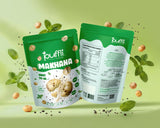





Quick answer
Makhana, also called phool makhana or fox nuts, is commonly eaten during Navratri fasting in many households. A simple vrat snack is roasted makhana seasoned with sendha namak and black pepper. Other popular options include sabudana vada, sweet potato chaat, kuttu pakoras and fruit chaat. Fasting rules vary by family, so check ingredients and follow your usual traditions.
Navratri brings nine days of prayers, celebrations and, for many people, fasting. But deciding what to eat between meals can be tricky when everyday ingredients are off the menu.
Makhana is an easy place to start. You can roast it in minutes, season it to your liking or turn it into a sweet treat. Whether you call them makhana, phool makhana or fox nuts, these versatile seeds offer plenty of snack options. Here are seven recipes and other popular Navratri fasting snack ideas to try.
Is Makhana Allowed During Navratri Fasting?
Makhana is commonly included in vrat meals, although acceptance depends on your family's fasting tradition. Plain makhana is a practical choice because you can control the ingredients used to prepare it.
Heat a little ghee in a pan, add plain makhana and roast on low heat until crisp. Finish with sendha namak and black pepper.
Packaged flavoured snacks may contain regular salt, onion, garlic or other ingredients that some households avoid during vrat. Check the label against your fasting rules. When in doubt, choose plain makhana and season it at home.
Curious about where makhana comes from? Read our guide to how phool makhana is made, from pond harvest to packet.
7 Makhana Recipes for Navratri Fasting
Looking for easy vrat snacks that don't take much preparation? These seven makhana recipes offer a mix of savoury, sweet and crunchy options. Adjust the ingredients according to your family's fasting practices.
1. Classic Roasted Makhana
Why try it: A simple, crunchy snack with minimal ingredients.
Ingredients: 2 cups plain makhana, 1 teaspoon ghee, sendha namak and black pepper to taste.
Method: Heat ghee in a pan and add the makhana. Roast on low heat for 8–10 minutes, stirring frequently until crisp. Add sendha namak and black pepper, mix well and let cool before serving.
2. Jeera Makhana
Why try it: Cumin adds a warm, aromatic flavour to roasted makhana.
Ingredients: 2 cups makhana, 1 teaspoon ghee, ½ teaspoon cumin seeds and sendha namak to taste.
Method: Heat ghee in a pan and lightly crackle the cumin seeds. Add makhana and roast on low heat until crunchy. Season with sendha namak, mix and serve once cooled.
3. Pepper Makhana
Why try it: A savoury option for anyone who enjoys a little peppery kick.
Ingredients: 2 cups makhana, 1 teaspoon ghee, freshly ground black pepper and sendha namak to taste.
Method: Roast the makhana in ghee over low heat until crisp. Sprinkle with black pepper and sendha namak, toss thoroughly and allow it to cool before eating.
4. Peanut Makhana Mix
Why try it: Peanuts add a crunchy texture and make this mix more substantial.
Ingredients: 2 cups makhana, ¼ cup roasted peanuts, 1 teaspoon ghee and sendha namak to taste.
Method: Roast the makhana in ghee until crisp. Add the roasted peanuts and sendha namak, then mix well. Cool completely before serving. Confirm that peanuts are permitted under your fasting rules and account for the allergen if serving others.
5. Sweet Jaggery Makhana
Why try it: A sweet, crunchy alternative when you want something different from savoury vrat snacks.
Ingredients: 2 cups makhana, 2–3 tablespoons grated jaggery and 1 teaspoon ghee.
Method: Dry-roast the makhana until crisp and set aside. Melt the jaggery with ghee over low heat, stirring until it forms a light coating. Add the makhana and mix quickly. Spread on a plate to cool before serving.
Tip: Jaggery preparation and other ingredients should follow your family's fasting rules.
6. Makhana and Dry Fruit Mix
Why try it: A convenient mix of crunchy makhana and dry fruits for a snack between meals.
Ingredients: 2 cups roasted makhana, 2 tablespoons chopped almonds, 2 tablespoons cashews and a few raisins, if permitted.
Method: Roast the makhana until crisp. Lightly toast the nuts separately, then combine everything in a bowl. Let the mix cool before storing in an airtight container. Check which nuts and dried fruits are acceptable for your vrat.
7. Makhana Kheer
Why try it: A creamy, gently sweet option for those who prefer a dessert-style snack.
Ingredients: 1 cup makhana, 2 cups milk, sugar to taste and cardamom powder. Add chopped nuts if permitted.
Method: Dry-roast the makhana and crush it lightly. Bring the milk to a gentle simmer, add the makhana and cook for 10–15 minutes, stirring occasionally. Add sugar and cardamom, then cook until the mixture reaches your preferred consistency. Serve warm or chilled.
Other Popular Navratri Fasting Snacks
Makhana is just one option for your Navratri snack menu. Depending on your fasting tradition, you can also try these familiar favourites:
- Sabudana vada: Crispy patties made with tapioca pearls and potatoes, often served with a vrat-friendly chutney.
- Sweet potato chaat: Boiled or roasted sweet potato tossed with lemon, coriander and permitted spices.
- Kuttu pakoras: Buckwheat flour fritters prepared with potatoes or other permitted vegetables.
- Fruit chaat: Fresh seasonal fruit seasoned with ingredients permitted during your fast.
- Roasted peanuts: A crunchy snack that can be seasoned with sendha namak if peanuts are allowed.
- Sabudana khichdi: Tapioca pearls cooked with potatoes, peanuts and fasting-approved seasonings.
- Rajgira ladoo: A sweet option made with amaranth and a suitable sweetener.
Ingredients and preparation methods vary between households and regions. Always follow the fasting practices you observe.
Tips for Preparing Makhana During Navratri
- Roast on low heat: Slow roasting helps makhana become crisp without burning.
- Choose your cooking fat: Ghee is commonly used in vrat recipes, but follow your household's preferences.
- Season after roasting: Add sendha namak and spices towards the end for an even coating.
- Let it cool: Allow roasted makhana to cool before storing so it stays crunchy.
- Check packaged ingredients: Read labels carefully for salt, flavourings, oils and other ingredients that may not fit your fasting rules.
Frequently Asked Questions
Can we eat makhana during Navratri fasting?
Makhana is commonly eaten during Navratri fasting in many households. However, traditions vary, so follow the rules observed by your family.
How do you roast makhana for vrat?
Roast plain makhana in a little ghee over low heat for 8–10 minutes, stirring frequently. Finish with sendha namak and any permitted seasonings.
Which ingredients should be avoided in vrat snacks?
Depending on your tradition, regular table salt, onion, garlic and certain grains or spices may be avoided. Packaged products can contain unexpected ingredients, so check the label carefully.
Can flavoured makhana be eaten during Navratri?
It depends on the ingredients in the product and the fasting rules you follow. Check the complete ingredient list, including salt, seasonings and oils. If you are unsure whether a packaged flavour is suitable, choose plain makhana and season it at home.
How can you keep roasted makhana crunchy?
Let the makhana cool completely before storing it in an airtight container. Keep it away from moisture and use a clean, dry spoon when serving.
Make Every Snack Moment Count
Explore Puffli's range of slow-roasted, flavour-packed makhana for everyday snacking. For Navratri fasting, always check the ingredients against your family's vrat rules before choosing a packaged snack.
Explore Puffli Flavours```


